
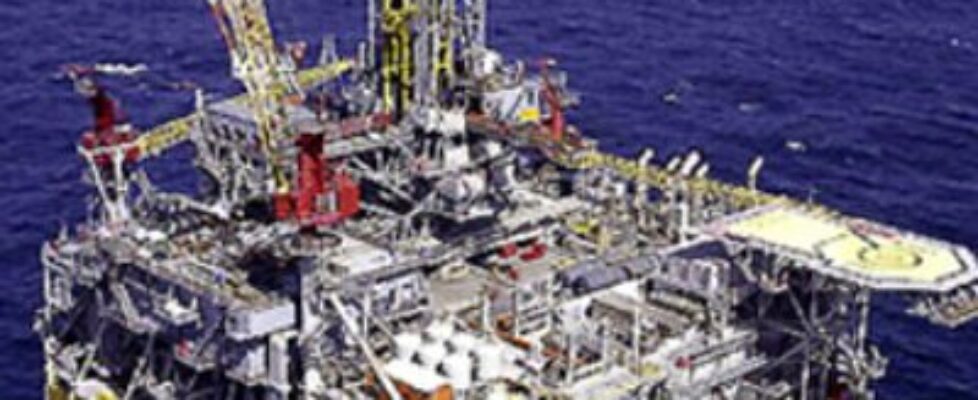
THE GLOBAL OIL GIANTS ARE BACK

Nigeria’s Deepwater Sector Sparks a New Investment Revolution
In a development that is sending strong signals across the global energy landscape, international oil majors are once again turning their attention to Nigeria. Multi-billion-dollar commitments from industry heavyweights such as Shell and ExxonMobil are reigniting confidence in the nation’s deepwater petroleum sector, positioning Nigeria at the center of Africa’s next energy growth story.
By Oil and Gas Trends Magazine
The signs are becoming impossible to ignore.
After years of caution, restructuring, and strategic reassessment, some of the world’s largest energy companies are making a decisive return to Nigeria’s offshore oil industry. What was once viewed as a challenging investment destination is rapidly re-emerging as one of the most attractive deepwater petroleum frontiers in the world.
At the heart of this resurgence are fresh multi-billion-dollar investments from global energy giants, including Shell plc and ExxonMobil, both of which are increasing their commitment to Nigeria’s offshore operations. Their renewed interest reflects growing confidence in the country’s resource potential, regulatory environment, and long-term profitability.
For Nigeria, this is far more than another round of oil investments. It represents a significant turning point.
The nation’s deepwater assets contain some of the most promising untapped hydrocarbon reserves on the African continent. As global demand for energy security remains a critical concern, international investors are increasingly looking toward regions capable of delivering reliable, large-scale production. Nigeria fits that profile.
Recent reforms within the petroleum industry, combined with government efforts to improve operational efficiency and create a more investor-friendly environment, are beginning to yield measurable results. The message being sent to global markets is clear: Nigeria is ready to compete once again for major energy capital.
The potential benefits are enormous.
Beyond increasing crude oil production, these investments are expected to generate thousands of direct and indirect jobs, stimulate local content participation, expand opportunities for indigenous service companies, strengthen foreign exchange earnings, and contribute significantly to national revenue generation.
The ripple effect could extend across multiple sectors of the economy—from engineering and logistics to marine services, manufacturing, finance, and technology.
Industry observers note that while challenges remain, the return of international operators demonstrates a growing belief that Nigeria’s offshore sector offers both stability and long-term value. Investors are not committing billions of dollars based on optimism alone; they are responding to opportunities they believe can deliver substantial returns for decades to come.
Perhaps the most important takeaway is the signal this sends to the rest of the world.
When global energy leaders choose to expand their footprint in a market, others tend to follow. The renewed confidence being shown by major operators could pave the way for additional investments from independent producers, financial institutions, infrastructure developers, and international partners seeking exposure to Africa’s largest oil-producing nation.
Nigeria’s energy story is entering a new chapter.
The offshore fields are active. Capital is flowing. Confidence is returning.
And if current trends continue, the nation may be witnessing the beginning of a deepwater renaissance capable of reshaping its petroleum industry and strengthening its influence in the global energy market for years to come.
Oil and Gas Trends Magazine will continue to monitor developments as Nigeria positions itself for what could become one of the most significant offshore investment cycles in its modern history.


